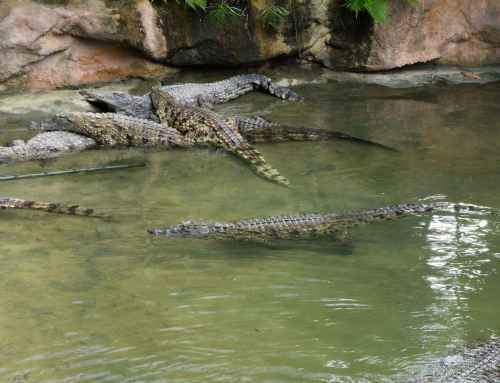
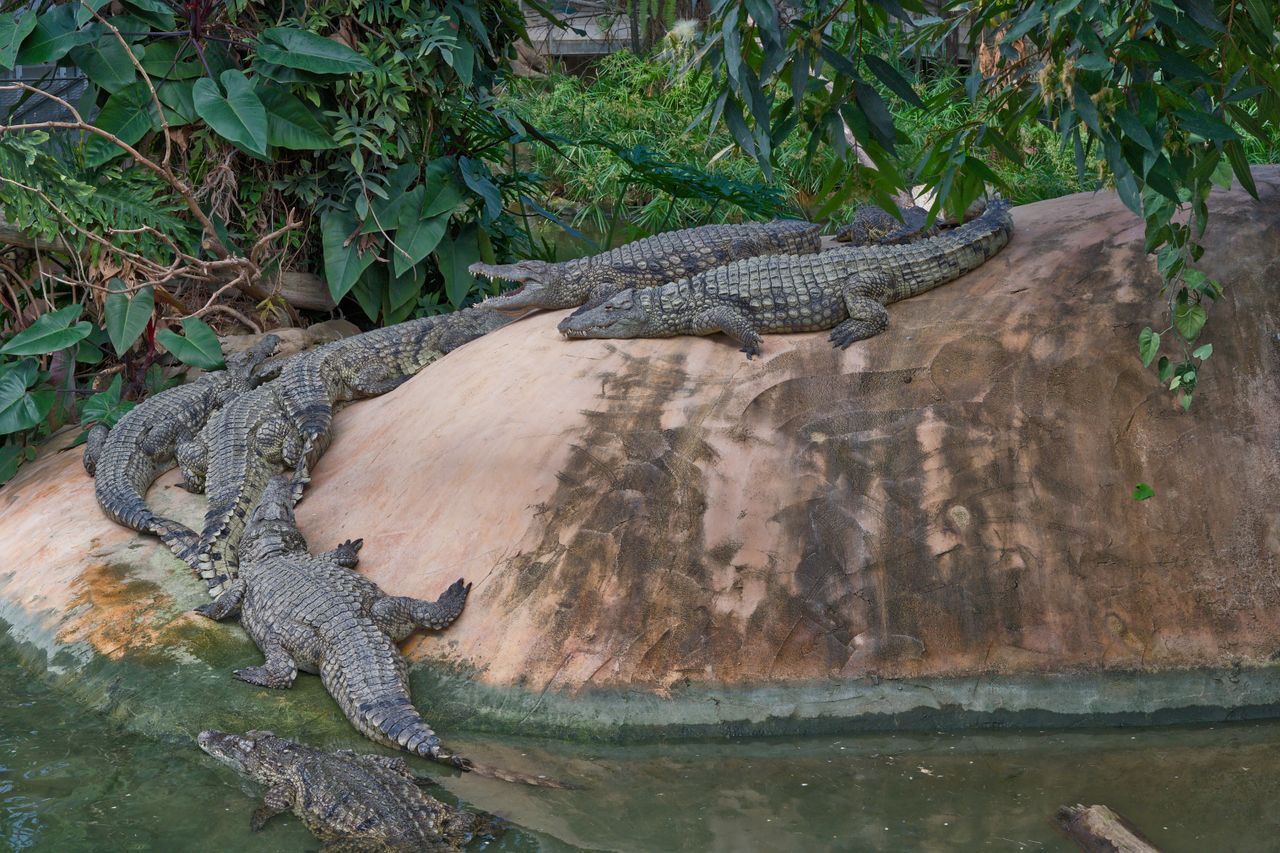
Photographing crocodiles in their natural habitat can be both exciting and challenging. These powerful reptiles are known for their stillness, sudden movements, and ability to blend into their surroundings. Capturing strong wildlife images requires patience, preparation, and respect for safety.
Whether you are exploring rivers, wetlands, or tropical regions, understanding a few practical photography techniques may help you take more compelling crocodile photos during your outdoor adventure.
Prioritize Safety First
Before focusing on camera settings or angles, safety should always come first. Crocodiles are unpredictable wild animals and should never be approached too closely. Maintaining distance protects both the photographer and the animal.
Using zoom lenses instead of moving closer is strongly recommended. Guided tours are often one of the safest ways to observe wildlife because local guides understand animal behaviour and the surrounding environment.
Many travellers combine wildlife viewing with outdoor experiences, such as ATV tours or a Jaco canopy tour, which may offer opportunities to explore natural habitats while learning from experienced local guides.
Use the Right Camera Lens
Crocodiles are often spotted from a distance along riverbanks or partially submerged in water. A telephoto lens is useful because it allows you to capture details without disturbing the animal.
Lenses in the 200mm to 400mm range are commonly preferred for wildlife photography. A zoom lens also provides flexibility when the crocodile suddenly moves or changes position.
If you are travelling light, even a mid-range zoom lens may still help produce strong results when combined with careful composition.
Focus on the Eyes
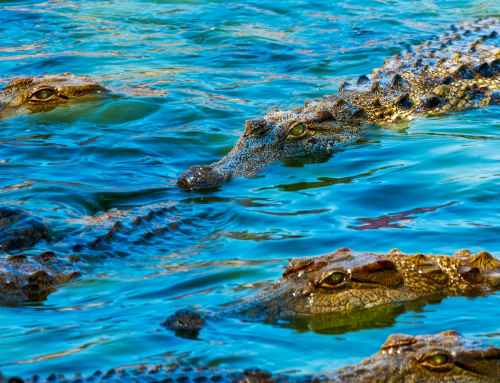
In wildlife photography, the eyes are often the most expressive part of the image. Crocodile eyes can create dramatic photographs because they communicate alertness and intensity.
When possible, focus directly on the eyes to create a sharper and more engaging image. This is especially effective when the crocodile is partially submerged, and only part of the face is visible above the water.
Use Natural Lighting
Early morning and late afternoon are often ideal times for wildlife photography. Softer light during these hours creates better contrast and reduces harsh reflections from water surfaces.
Midday sunlight can create glare, especially near rivers or wetlands. If shooting during brighter hours, adjusting your position or using a polarizing filter may help reduce reflections.
Golden-hour lighting can also enhance textures on crocodile scales and improve the overall mood of the image.
Be Patient and Observe Behaviour
Crocodiles may remain motionless for long periods, which can tempt photographers to move too quickly or lose focus. Patience is important because sudden movements, feeding behaviour, or interactions with the environment often happen unexpectedly.
Spending time quietly observing may help you anticipate interesting moments such as:
- Entering or leaving the water
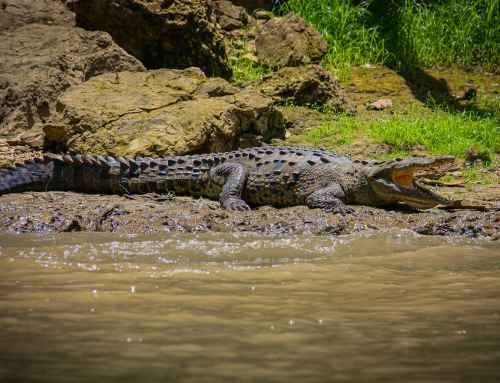
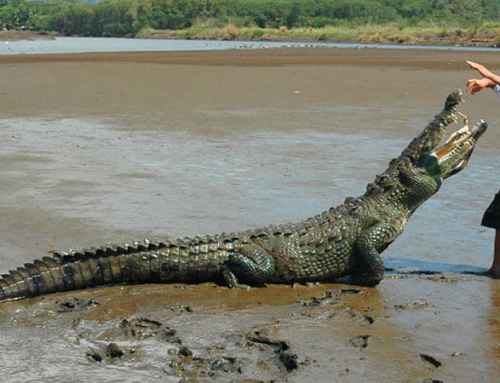
- Opening the jaws
- Eye contact with the camera
- Movement through vegetation
The more time you spend observing, the greater your chances of capturing unique shots.
Capture the Environment Too
Close-up images are powerful, but wider shots showing the crocodile within its natural habitat can also create visually interesting photographs.
Including surrounding water, mangroves, tropical vegetation, or dramatic skies helps tell a broader story about the environment. These images may feel more immersive and cinematic.
Travellers exploring regions through a Costa Rica motorcycle rental adventure often encounter scenic landscapes that provide excellent opportunities for environmental wildlife photography.
Keep Camera Settings Flexible
Wildlife situations can change quickly. Using continuous autofocus and burst mode may help when crocodiles suddenly move or enter the water.
A faster shutter speed is useful for capturing sharp images during motion, while a slightly lower ISO may help maintain image quality in bright outdoor conditions.
Explore Costa Rica’s Wild Side with Confidence!
AXR Jaco offers outdoor adventures that help travellers experience the natural beauty and excitement of Costa Rica. From thrilling ATV tours to convenient Costa Rica motorcycle rental options, our team can help you explore scenic destinations and unforgettable landscapes.
Visit us to start planning your next adventure today.